
Barriers That Stop Pests Before They Enter
Outdoor Pest Control in Plant City for homes where insects move from landscaping into interior spaces
Pests rarely appear inside homes without first traveling across outdoor surfaces, through landscaping, and along foundation walls. Outdoor pest control from Prestige Worldwide Turf establishes treatment barriers around the structure's perimeter, targeting the pathways insects use before they reach entry points. The approach addresses ants, roaches, spiders, earwigs, and other pests that nest in mulch beds, under debris, or in dense vegetation adjacent to the home, then migrate toward foundation cracks, door thresholds, and utility penetrations.
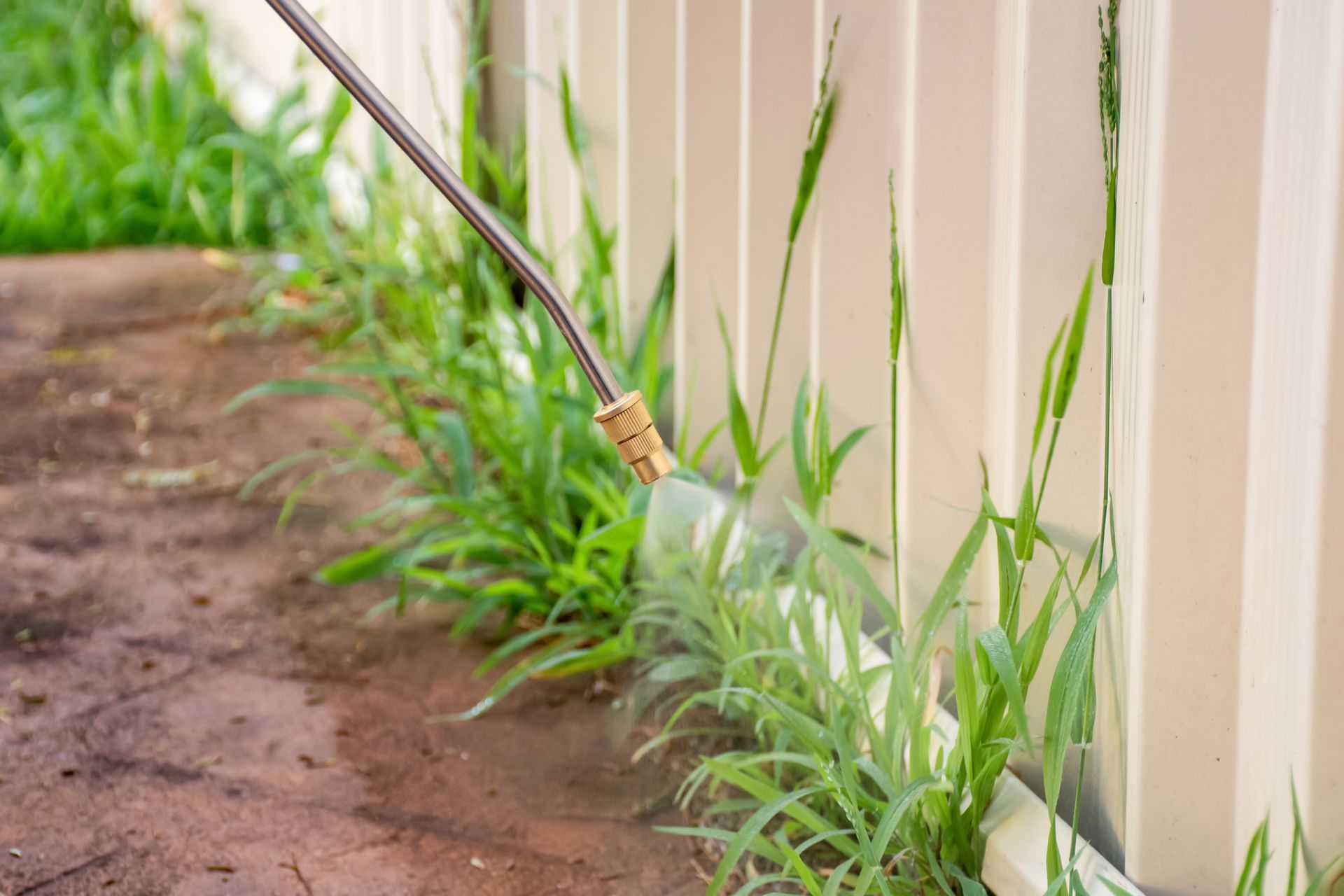
Treatment includes foundation perimeters, landscaping beds, around door frames and window wells, and along fence lines where pests establish staging areas. The materials create a treated zone that intercepts pests moving toward the structure, reducing the number that reach potential entry points. This exterior barrier works in combination with basic exclusion practices like sealing gaps and managing moisture to limit how many pests attempt interior access.
Request an exterior property evaluation to identify where pests are entering and which outdoor areas require treatment.
What Changes After Exterior Pest Barriers Are Established
Outdoor pest control reduces the population of insects surrounding the home by treating the soil, mulch, and vegetation where pests nest and travel. Applications focus on the transition zones between lawn and foundation, around air conditioning units, and near downspouts where moisture attracts insect activity. These treated areas interrupt pest movement before they reach the structure, which decreases the number attempting to enter through cracks, gaps, or open doors.
After exterior treatment, the frequency of pests appearing on door thresholds, window sills, and garage floors declines noticeably. Ant trails that previously crossed sidewalks and driveways disappear, spider webs along eaves and corners become less common, and the roaches that once gathered near exterior lighting at night are no longer present. The outdoor spaces where you previously encountered insects during yard work or evening gatherings become more comfortable to use.
Ongoing outdoor service adjusts to seasonal pest cycles and changes in landscaping that create new harborage areas. Heavy rain can wash away treated zones, requiring reapplication to maintain effectiveness. Dense plant growth during Florida's wet season provides new pathways that bypass earlier treatments, which routine inspections identify and address before pests reach the structure.
Answers to Frequent Service Questions
These responses clarify how outdoor treatments work, what they cover, and how weather affects application schedules.
What pests does outdoor treatment control?
The service targets ants, roaches, spiders, crickets, earwigs, millipedes, and other insects that nest in landscaping or move across exterior surfaces toward the home.
How far from the foundation does treatment extend?
Applications typically cover a three to six-foot band around the structure's perimeter, including mulch beds, soil, and low vegetation where pests travel and hide.
Why does outdoor pest control need regular reapplication?
Rain, irrigation, and sunlight degrade the treated barrier over time, and Florida's continuous warm temperatures allow pests to breed year-round rather than dying off seasonally as they do in northern climates.
How does outdoor treatment integrate with lawn care?
Prestige Worldwide Turf coordinates pest control applications with fertilization and weed management schedules to avoid product conflicts and ensure treatments work together rather than interfering with each other.
What should be avoided immediately after treatment?
Irrigation systems should remain off for 24 hours to allow the application to bind to treated surfaces, and children and pets should avoid treated areas until they have dried completely.
Prestige Worldwide Turf schedules outdoor pest treatments based on your property's specific conditions and surrounding pest pressure. Contact the office to establish a barrier treatment plan tailored to your landscaping and structure layout.