
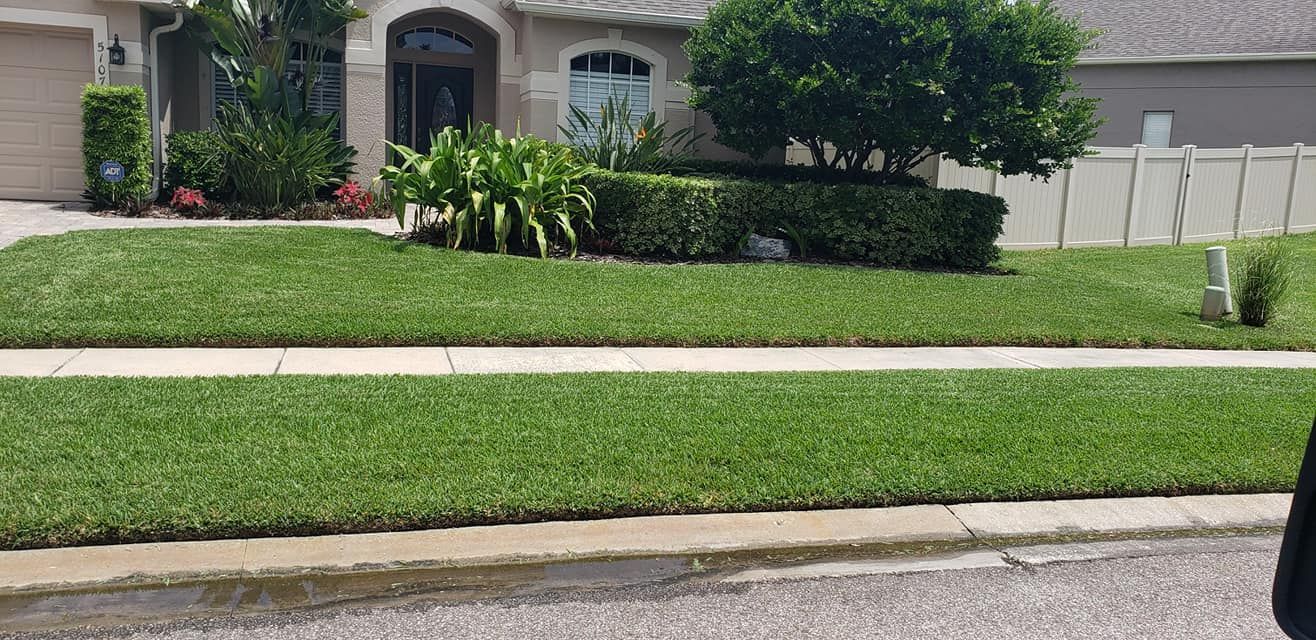
Landscape Plants That Stay Healthy Year-Round
Shrub Care Services in Plant City for protecting ornamental plants from insects, disease, and nutrient deficiencies
Discolored leaves, stunted growth, and insect damage on shrubs reduce overall property appearance and indicate underlying health issues that worsen without intervention. Shrubs require fertilization schedules different from turf, pest control targeting insects that feed on woody plants and foliage, and disease prevention tailored to ornamental species rather than grass. Prestige Worldwide Turf provides shrub care services in Plant City, Orlando, Wesley Chapel, and surrounding areas that include nutrient applications formulated for woody plants, insecticide treatments protecting against scale insects, whiteflies, and aphids, and monitoring for fungal or bacterial diseases that affect common landscape species. Treated shrubs develop deeper green foliage, improved growth rates, and better resistance to environmental stress and pest pressure that otherwise causes defoliation and dieback.
Fertilization delivers micronutrients like iron and manganese that prevent the yellowing common in alkaline soils, while macronutrients support root development and seasonal growth cycles. Pest treatments target both piercing-sucking insects that drain plant fluids and chewing insects that defoliate branches, applied at intervals matching pest life cycles for effective control.
Schedule shrub care service to evaluate current plant health and establish a treatment program based on the species in your landscape.
What Proper Shrub Maintenance Accomplishes
Ornamental plants require balanced fertilization that promotes steady growth without forcing excessive foliage vulnerable to pest damage or disease. Slow-release formulations provide nutrients over extended periods, matching plant uptake rates and reducing leaching during heavy rain events that wash away water-soluble fertilizers before shrubs absorb them.
Shrubs receiving consistent care show uniform leaf color without the yellowing or bronzing that indicates nutrient deficiencies, fuller canopy development with fewer gaps caused by insect damage or dieback, and improved flowering or fruiting in species where those features contribute to landscape design. Pest control eliminates insects before populations reach levels that cause visible damage, so plants maintain appearance without the defoliation or honeydew residue that attracts secondary pests like sooty mold.
Seasonal adjustments account for growth cycles—increased fertilization during active growing months and reduced applications during dormancy or stress periods like summer heat. Disease prevention includes monitoring for fungal spots, powdery mildew, and bacterial infections that spread rapidly in humid conditions, with treatments applied when early symptoms appear rather than waiting until damage becomes severe.
Questions About Maintaining Landscape Shrubs
Shrub care in Plant City and throughout Central Florida addresses the specific challenges ornamental plants face in Florida's climate, where year-round warmth supports continuous growth but also constant pest and disease pressure.
What causes yellowing leaves on shrubs even with regular watering?
Iron chlorosis develops in alkaline or poorly drained soils where roots cannot absorb iron efficiently, nitrogen deficiency causes uniform yellowing starting with older leaves, and magnesium deficiency creates yellowing between leaf veins while veins remain green, all of which require targeted fertilization to correct.
How does shrub fertilization differ from lawn fertilization?
Shrubs need lower nitrogen ratios to avoid excessive soft growth, require micronutrients like iron and manganese more critical for woody plants, and benefit from slow-release formulations that match slower uptake rates compared to actively growing turf.
When do scale insects and whiteflies cause the most damage?
Both pests reproduce continuously in Florida's warm climate, but populations peak during spring and fall when temperatures favor rapid reproduction, and heavy infestations cause leaf drop, stunted growth, and honeydew secretions that lead to sooty mold covering foliage and reducing photosynthesis.
Why do some shrubs need pest control while others in the same landscape don't?
Different plant species have varying susceptibility to specific pests—azaleas attract lace bugs, gardenias are prone to whiteflies, and ixora commonly hosts aphids—so treatment plans target vulnerable plants rather than applying blanket treatments across all landscape species.
How does seasonal care improve long-term shrub health?
Fertilizing during active growth supports root development and energy storage, reducing applications during stress periods prevents forcing growth when plants are conserving resources, and adjusting irrigation based on seasonal rainfall prevents both drought stress and waterlogging that weakens roots and invites disease.
Prestige Worldwide Turf develops shrub care programs based on the specific plants in your landscape, their current health status, and seasonal needs that change throughout the year. Arrange a consultation to review your ornamental plants and outline a fertilization and pest protection schedule tailored to your property.