
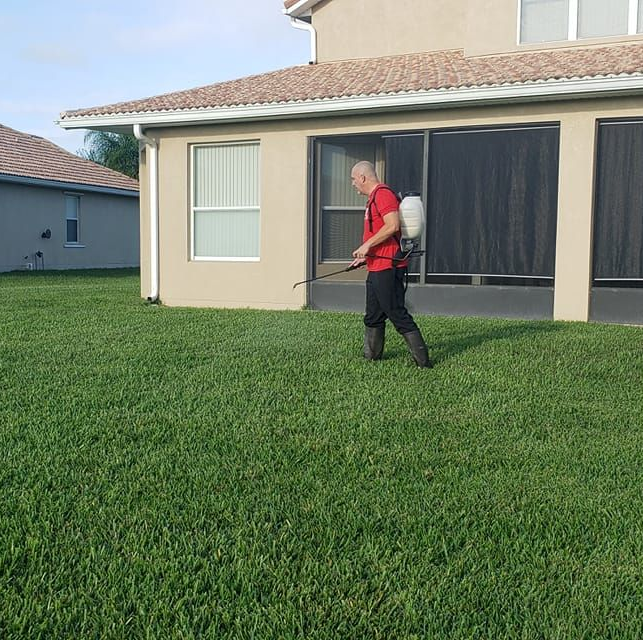
Protection That Keeps Pests Outside Your Home
Pest Control in Plant City for properties dealing with recurring insect and rodent activity
Prestige Worldwide Turf provides pest control in Lakeland that addresses both interior and exterior pest pressure common to Florida properties. The service targets ants, roaches, spiders, silverfish, and other pests that move between outdoor harborage areas and indoor living spaces. Florida's year-round warmth and humidity create continuous breeding cycles that require treatment methods calibrated to local pest behavior rather than seasonal schedules.
The application process involves treating entry points, foundation perimeters, and interior baseboards with materials selected for their effectiveness against target species while remaining safe for occupied spaces. Treatment plans account for the specific pests present, the structure's construction, and landscaping features that provide pest pathways. Routine inspections identify new activity before infestations develop, and preventative treatments maintain barrier protection as weather and pest pressure change throughout the year.
Schedule a property inspection to determine which pests are active and where treatments should be focused.
How Pest Control Stops Recurring Infestations
Effective pest control in Florida requires treating both current infestations and the conditions that allow new pests to enter. Treatments create a chemical barrier along foundation walls, around door frames, and at utility penetrations where gaps allow access. Interior applications target baseboards, cracks, and voids where pests travel and hide, interrupting breeding cycles and eliminating active populations.
After treatment, you'll notice fewer live pests within days as the treated areas eliminate active insects and discourage new arrivals. Over the following weeks, the absence of droppings, shed skins, and the visual sightings that previously occurred indicates the infestation has been controlled. Outdoor barriers prevent new pests from crossing into the structure, which means the kitchen counters, bathroom corners, and storage areas that once attracted activity remain clear.
Ongoing service plans adjust treatment intervals based on pest pressure, property conditions, and seasonal changes in insect activity. Some pests require monthly attention during peak breeding periods, while others respond to quarterly applications. The specific plan depends on which species are present and how the landscape and structure interact to create pest pressure.
Questions Homeowners Ask Before Starting Service
These questions address common concerns about treatment safety, pest identification, and service schedules for properties in the Plant City and Central Florida area.
What pests does this service control?
The treatment targets ants, roaches, spiders, silverfish, earwigs, crickets, and other common household pests found in Florida homes, with specific materials selected based on the pests identified during inspection.
How soon after treatment can the house be occupied?
Most interior applications allow re-entry within two to four hours once treated surfaces have dried, and exterior treatments do not require occupants to leave the property.
Why do some homes need more frequent service than others?
Properties adjacent to wooded areas, wetlands, or dense landscaping experience higher pest pressure because these environments provide constant breeding and harborage sites that send pests toward structures.
What happens if pests return between scheduled treatments?
Service plans include re-treatment at no additional cost if pest activity recurs within the coverage period, ensuring continuous protection without gaps.
How does outdoor treatment differ from indoor application?
Outdoor treatments create a barrier along the foundation and landscaping perimeter to intercept pests before they reach entry points, while interior treatments eliminate pests already inside and treat the pathways they use to move through the structure.
Prestige Worldwide Turf develops treatment schedules based on your property's specific pest activity and surrounding conditions. Request a pest evaluation to identify current infestations and determine the appropriate service frequency.