
Lawns That Stay Green Without the Guesswork
Residential Lawn Services in Plant City for yards dealing with weeds, thinning grass, and insect pressure
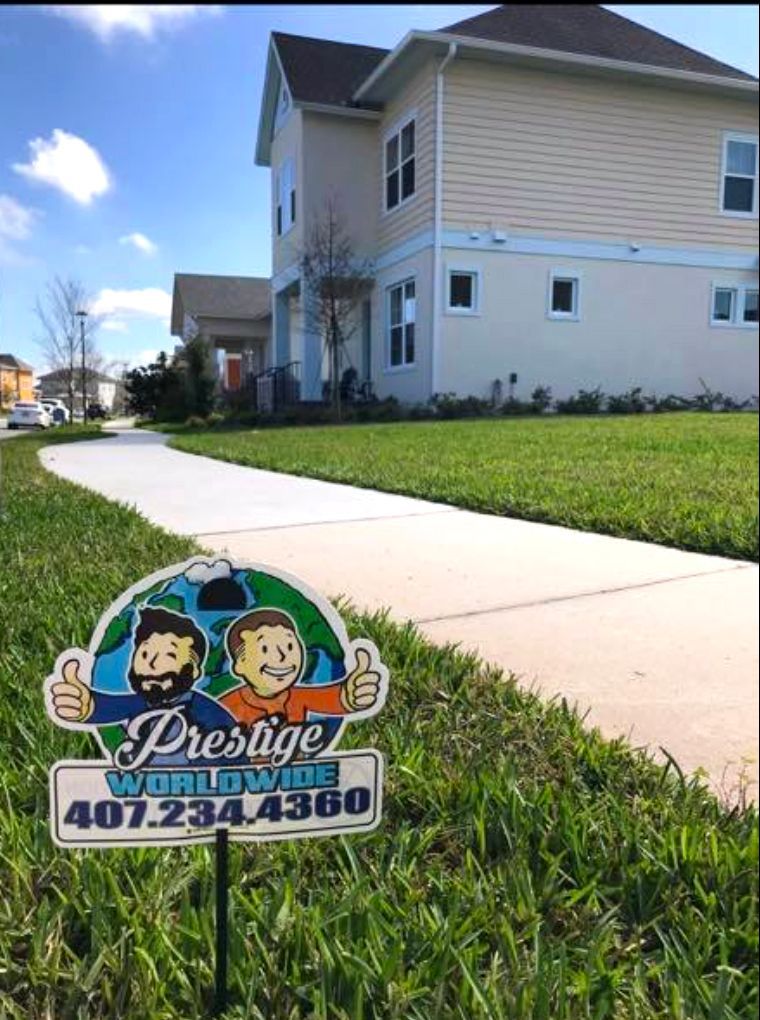
Patchy turf, weeds overtaking once-healthy grass, and chinch bugs damaging your lawn aren't signs of neglect—they're common issues that come with Florida's heat, humidity, and aggressive weed species. Prestige Worldwide Turf provides residential lawn services in Plant City, Riverview, Winterhaven, and surrounding areas, designed specifically for Florida grass types, including fertilization programs that address nutrient deficiencies, weed control treatments targeting the invasive species that thrive here, and pest management that stops insect damage before it spreads. You'll see thicker, more uniform grass coverage, fewer weeds competing for space, and reduced brown patches caused by insect feeding.
The service includes scheduled fertilization applications matched to the nutrient needs of St. Augustine, Bahia, or Zoysia grass, pre-emergent and post-emergent weed control targeting both broadleaf weeds and grassy invaders, and targeted pest treatments that address chinch bugs, mole crickets, and sod webworms. Each treatment is timed to align with Florida's growing seasons, when grass is actively growing and when weeds or pests are most vulnerable to control measures.
Schedule a residential lawn evaluation to identify current turf health and develop a treatment plan based on your yard's conditions.
What Consistent Treatment Does for Florida Turf
Fertilization applications deliver nitrogen, phosphorus, and potassium in ratios suited to your grass type, promoting root development and blade density while preventing the yellowing that signals nutrient depletion. Weed control uses selective herbicides that target weeds without harming turf, applied at intervals that prevent new weed seeds from germinating and kill existing growth before it sets seed.
After several treatment cycles, your lawn develops denser grass coverage that crowds out weed seedlings naturally, deeper green color that reflects healthy chlorophyll production, and improved resilience against drought stress and heavy foot traffic. Pest treatments eliminate the insects that cause irregular brown spots and thinning areas, so grass recovers and fills in bare patches over time.
Seasonal treatment plans adjust application rates and product selection based on temperature, rainfall patterns, and grass growth cycles, ensuring treatments work with your lawn's natural biology rather than against it. The service also includes monitoring for disease symptoms like brown patch fungus or gray leaf spot, which can develop quickly in Florida's humid conditions and require separate fungicide applications if caught early.
Questions Homeowners Ask About Lawn Care Programs
Residential lawn services in Lakeland address the specific challenges that come with maintaining healthy turf in a climate where grass grows year-round and weeds never fully go dormant.
What does a seasonal treatment plan include for Florida lawns?
Fertilization occurs every six to eight weeks during the growing season, weed control is applied as needed based on weed pressure, and pest treatments target active insect populations, with adjustments made for summer heat stress and winter dormancy periods in certain grass types.
How does fertilization improve turf density and color?
Nitrogen promotes blade growth and green color, phosphorus supports root development for better drought tolerance, and potassium strengthens cell walls to resist disease and environmental stress, resulting in grass that spreads laterally to fill in thin areas.
When do you start seeing fewer weeds after treatment?
Pre-emergent herbicides prevent new weeds from germinating for eight to twelve weeks, while post-emergent treatments kill visible weeds within one to two weeks, though multiple applications are often needed to deplete the weed seed bank in the soil.
What pests are most common in Lakeland lawns?
Chinch bugs feed on grass blades and cause irregular yellow patches that turn brown, mole crickets tunnel through soil and damage roots, and sod webworms chew grass blades at night, all of which require targeted insecticide applications timed to the pests' life cycles.
Why does Florida turf need more frequent treatment than lawns in other regions?
Year-round warmth means grass grows continuously and requires consistent nutrient input, high humidity encourages fungal diseases that spread rapidly, and frequent rainfall leaches nutrients from sandy soils faster than in other climates, making regular fertilization essential for maintaining turf health.
Prestige Worldwide Turf schedules treatment visits based on your lawn's current condition and seasonal needs, so you maintain consistent curb appeal without managing application timing yourself. Request a property assessment to review turf health and outline a customized service schedule.